What is it really like to live with Tourette syndrome?
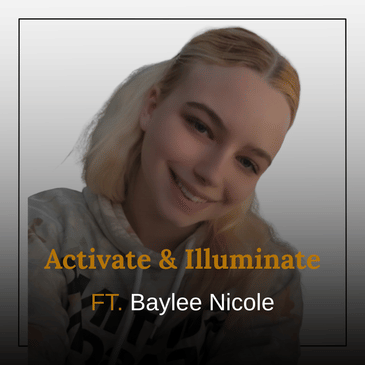
In this heartfelt and eye-opening conversation, Melanie sits down with Baylee Nicole, a young mother and Tourette's advocate, to explore the realities of living with a neurological condition that is often misunderstood.
Baylee opens up about receiving her diagnosis in adulthood, the daily physical and emotional challenges of Tourette syndrome, and the painful reality of having people—including members of her own family—question whether her condition is real. She shares how social media has become both a source of support and criticism, why education is so important, and what she wishes everyone understood about Tourette's.
This episode goes far beyond awareness. It's a conversation about resilience, compassion, invisible disabilities, and the power of choosing hope despite misunderstanding.
Whether you're living with Tourette syndrome, supporting someone who is, or simply wanting to better understand the human experience, this episode is one you won't soon forget.
Chapters
00:00 – Introduction to Baylee Nicole
02:00 – What Tourette syndrome actually is
03:40 – Her diagnosis after emergency surgery
05:20 – What a typical day with Tourette's feels like
06:20 – The physical exhaustion behind constant tics
07:50 – Common myths and misconceptions
09:00 – When your own family doesn't believe you
10:40 – Advice for parents of children with Tourette's
13:00 – Mental health, confidence and finding support
16:30 – Treatments, coping tools and what helps
18:30 – Dealing with online criticism
19:30 – Unexpected gifts that came from Tourette's
21:00 – Losing independence and hopes for the future
22:20 – The most surprising questions people ask
24:00 – Baylee's message to the world
25:00 – Final thoughts
Key Takeaways
• Tourette syndrome is a neurological condition—not a mental illness or a choice.
• Every person's Tourette's experience is unique.
• Suppressing tics can often be more exhausting than allowing them to happen naturally.
• Misunderstanding and disbelief can be more painful than the condition itself.
• Family support and community play a significant role in mental health and resilience.
• Invisible disabilities deserve compassion instead of judgment.
• Social media can become both a place of healing and a source of criticism.
• Small lifestyle practices like gardening, music, and supportive relationships can make a meaningful difference.
• Listening to people with lived experience is one of the most important ways to increase understanding.
Connect with Baylee Nicole
TikTok @The_ticcing_bombshell
Connect with Activate & Illuminate
🌐 Website: https://activateandilluminate.com/
📺 YouTube: https://www.youtube.com/@activateandilluminatewithmel
📸 Instagram: https://www.instagram.com/activateandilluminate/
📘 Facebook: https://www.facebook.com/activateandilluminate
📧 Contact: pr@melaniewakelin.com
LifeVantage Independent Representative http://protandimcanada.lifevantage.com/